

06 May PGF Insulation’s Commitment to SDG 12 and SDG 13
At PGF Insulation, sustainability is guided by a broader commitment to multiple global goals. Our efforts contribute to four key Sustainable Development Goals (SDGs) — SDG 12 (Responsible Consumption and Production), SDG 13 (Climate Action), SDG 11 (Sustainable Cities and Communities), and SDG 3 (Good Health and Well-being). While all four are closely connected through our solutions, this article focuses on SDG 12 and SDG 13, which address how materials are produced and how they contribute to reducing environmental impact.
Sustainability is not just about end results, it is about the entire lifecycle of a product, from raw material sourcing to long-term performance. At PGF Insulation, this approach is closely aligned with Sustainable Development Goal 12 and SDG 13. Through Ecowool glass mineral wool insulation, sustainability is embedded into both how the product is made and how it performs in buildings over time.
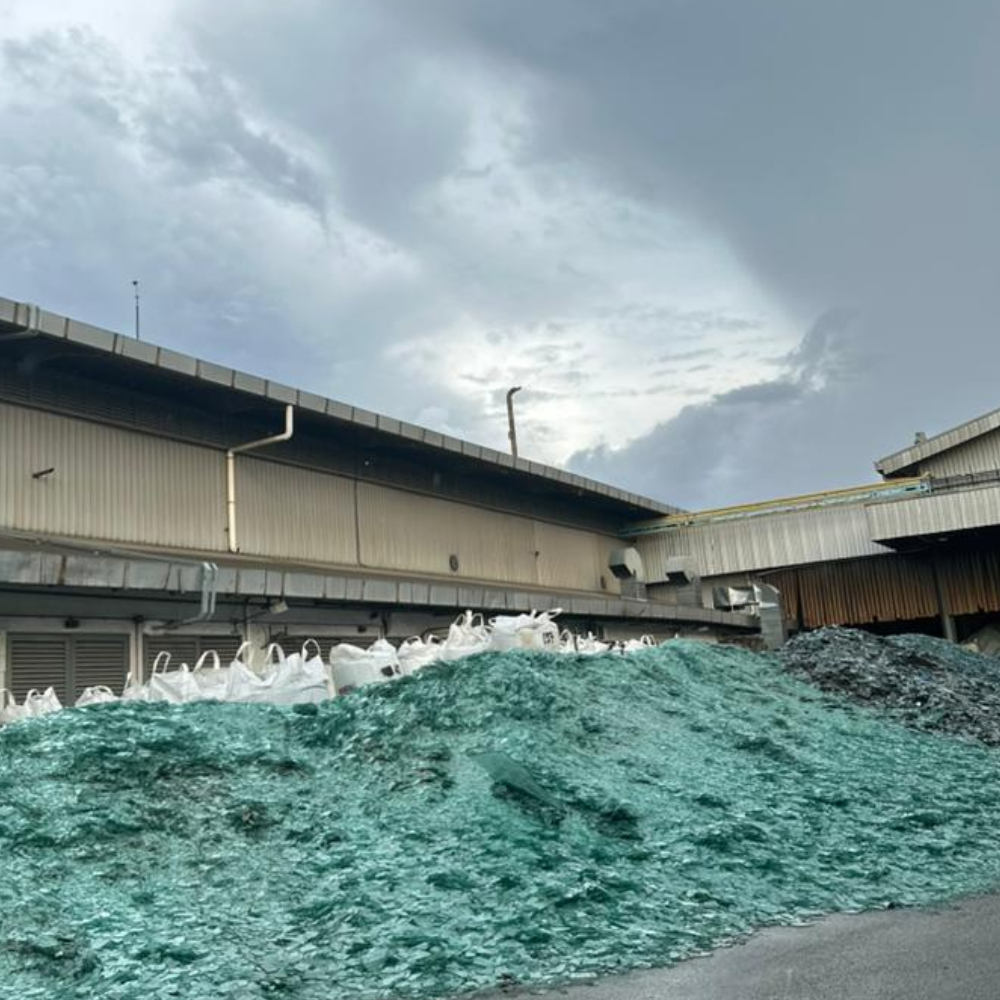
Under SDG 12 – Responsible Consumption and Production, PGF Insulation focuses on reducing waste and promoting circular use of materials. A key part of this is the sourcing of recycled glass, including post-consumer materials such as bottles and automotive glass. Through initiatives like windscreen collection and recycling, glass that would otherwise end up in landfills is recovered, processed, and reintroduced into the manufacturing cycle. This allows Ecowool to be produced with up to 80% recycled glass content, significantly reducing reliance on virgin raw materials while supporting a more responsible production system.
The use of recycled glass also improves production efficiency. Compared to raw materials, recycled glass melts at lower temperatures, which helps reduce energy consumption during the manufacturing process. Combined with controlled production practices, this not only lowers environmental impact but also ensures consistent product quality, reinforcing PGF Insulation’s commitment to responsible manufacturing under SDG 12.
Under SDG 13 – Climate Action, the impact of insulation becomes even more significant during the building’s operational phase. Ecowool insulation reduces heat transfer through roofs and walls, lowering the demand for cooling systems in warmer climates while helping retain indoor warmth and reducing heating demand in colder regions. By improving thermal efficiency across different climates, insulation directly contributes to lower energy consumption and reduced carbon emissions over time.

Over its lifespan, the energy savings enabled by Ecowool far exceed the energy used to produce it, making it a net positive solution for climate action. By combining circular material use with long-term energy efficiency, PGF Insulation supports both responsible production and carbon reduction, demonstrating how insulation can contribute meaningfully to global sustainability goals.
While this article highlights SDG 12 and SDG 13, Ecowool’s impact extends further into creating healthier and more sustainable living environments. Stay tuned for our next article, where we explore how PGF Insulation supports SDG 11 and SDG 3 through improved indoor comfort, acoustic performance, and occupant well-being.