

19 Mar Energy Shockwaves from Global Conflict: Why It Matters to Asia-Pacific
The ongoing conflict involving Iran is no longer just a geopolitical issue — it is now an energy crisis with real economic consequences. Global oil prices have surged due to supply risks around key shipping routes, sending shockwaves across industries and economies worldwide.
For Asia-Pacific countries, the impact is immediate and unavoidable. Rising fuel and electricity costs are increasing the cost of doing business, from logistics and manufacturing to daily operations. This is also contributing to inflationary pressure, affecting both businesses and consumers across the region.
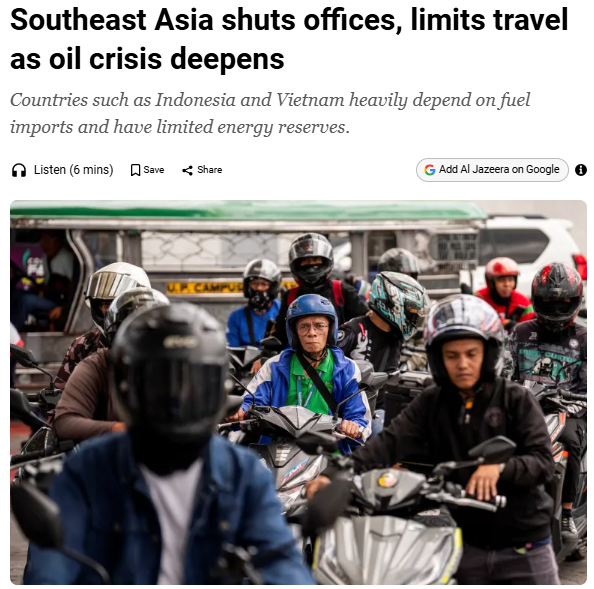
Governments are already responding with measures to manage energy demand and reduce consumption. Across countries such as Australia, New Zealand, Thailand, Vietnam, Indonesia, and Malaysia, initiatives include fuel reserve releases, energy-saving campaigns, reduced air-conditioning usage, and even discussions around remote work arrangements to minimise fuel consumption.
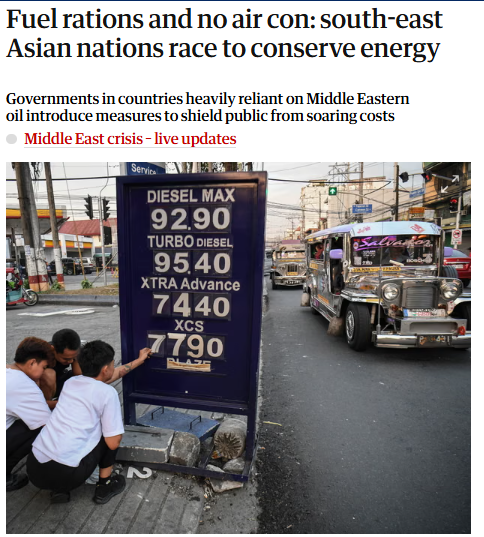
For businesses, this signals a shift — energy is no longer a stable operational cost, but a growing strategic risk. Higher energy prices directly impact margins, while volatility makes long-term planning more challenging. In this environment, improving energy efficiency is no longer optional, but essential.
At PGF, we believe that the most cost-effective energy is the energy you don’t use. Our insulation solutions help reduce heat gain, lower cooling demand, and improve indoor comfort, delivering long-term energy savings. In times of uncertainty, building efficiency becomes a form of energy security. Wars disrupt supply chains, drive up costs, and impact lives far beyond the battlefield. No economy truly benefits, and no society is untouched. As the world navigates this uncertainty, the focus must shift toward building a more resilient and sustainable future — where energy stability is driven by efficiency, not crisis.